by Kristopher Sheehy
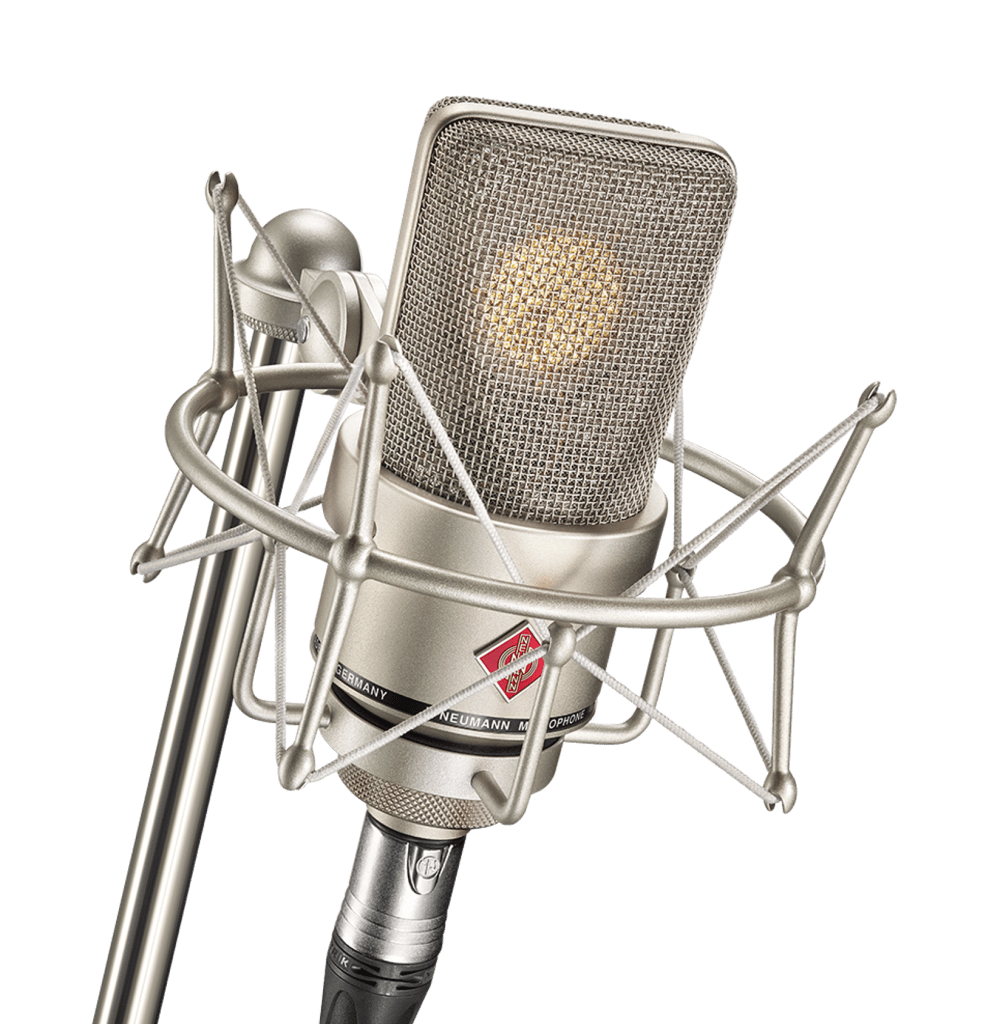
I became utterly fascinated by this fiery debate for years. Diving headfirst into the myriad opinions on Gearspace, scouring live tests on YouTube, and dissecting claims from partnered articles… But I didn’t just digest endless hours of content—I went the extra mile and ended up becoming the proud owner of both! Now, it’s high time I unleashed my candid thoughts on the matter.
Before we dive into this, let’s provoke some thoughts about why this conversation is so emotionally charged. What’s the big deal with the U 87 Ai anyway? Why has the TLM 103 become one of Neumann’s best-selling microphones? If the TLM 103 is just a copy of the U 87 Ai, why was it even created in the first place? Who’s out there claiming they sound the same, and can we really take that at face value? We’re going to tackle these mysteries one by one, and by the end of this reading, you might just challenge your perception of the infamous question… Is the TLM 103 a budget U 87 Ai?
Why’s the U 87 Ai a big deal?
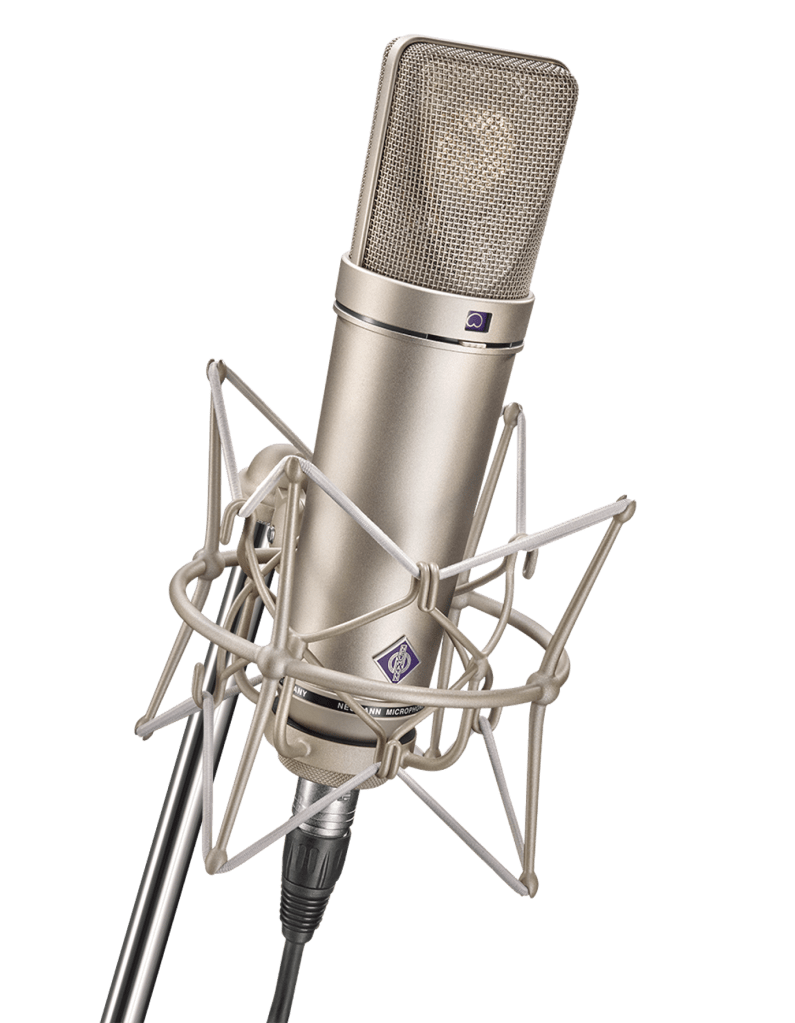
The U 87 boasts an extraordinary reputation that echoes through the halls of recording history! Its iconic body shape has inspired countless microphone manufacturers to mimic its design—truly a testament to its timeless allure! Walk into almost any recording studio, and you’re bound to encounter a variation of the U 87, a staple that has secured its place in the hearts of audio engineers everywhere. So, what fuels this legendary status? To keep this brief, I’d say the key factors are its rich history, unparalleled quality, steadfast reliability, and that irresistibly sweet signature sound that captivates artists and listeners alike!
Let us take a moment to consider the historical context of recording technology. It is essential to mention the esteemed Neumann U 47, a microphone that made its debut in 1949 and has rightfully earned its status as the most iconic microphone in recording history. Renowned artists, including Frank Sinatra, The Beatles, Elvis Presley, Ella Fitzgerald, Nat King Cole, David Bowie, Bob Dylan, Freddie Mercury, John Lennon, and Paul McCartney, have all made use of the U 47 in their recordings. It is worth noting that at the core of this remarkable device was the VF 14 tube, which, sadly, ceased production and ended the U 47 legacy.
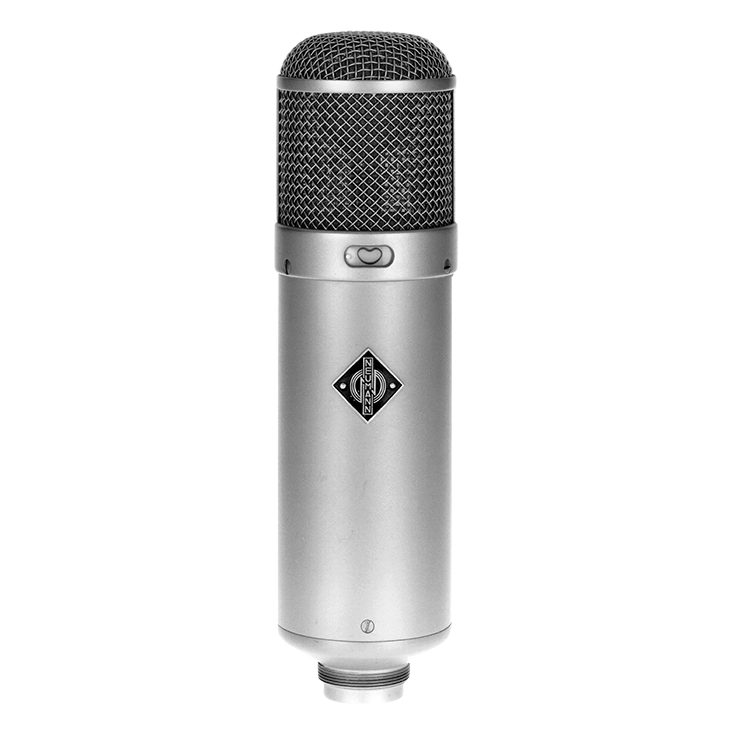
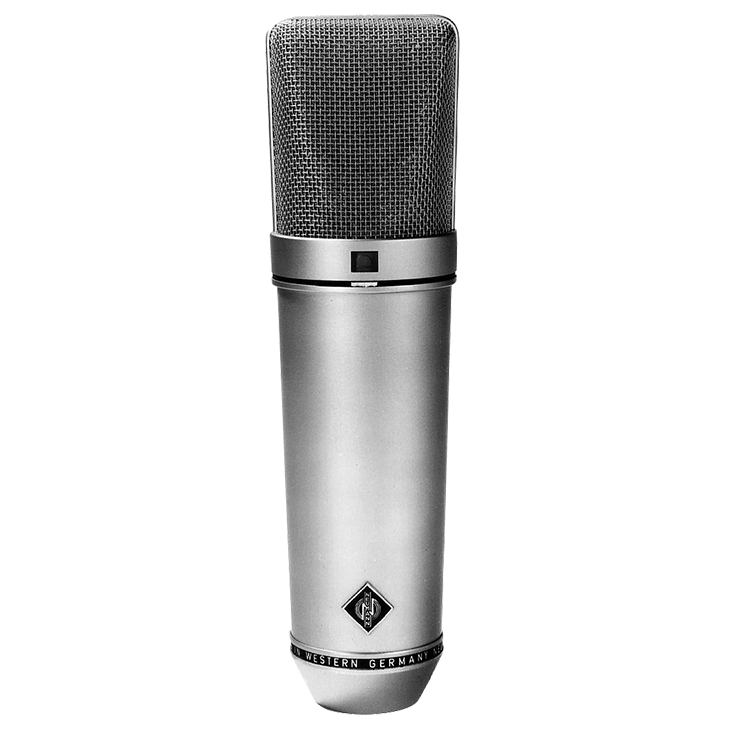
Zoom ahead to 1960, and we meet the U 67, a mic designed as a direct replacement to the U 47. I’m sure there will be some fuss about this claim but it is indeed true and verified by Neumann! For the curious few, the Neumann U 67 and Neumann U 47 share similar capsule designs, but they are not identical. The U 67 introduced the K67 capsule, which was inspired by the K47 but featured design changes, including a more pronounced high-frequency boost. However, Neumann intentionally shaped the U 67’s frequency response using internal electronics to smooth out the highs, giving it a more balanced sound. Some notable artist who have recorded with the U 67 include The Beatles, David Bowie, Freddie Mercury, Paul McCartney, Amy Winehouse, John Mayer, Radiohead, Nirvana, Daft Punk, Lana Del Ray, and many more! The U 67 was all the rage until the 1970s, when the tube went the way of the dinosaur… Transistors were taking over, and let’s be real—many simply didn’t want to deal with the quirks of tube mics anymore.
Of course, Neumann was anything but idle; enter the iconic U 87 i in 1967, a groundbreaking marvel that redefined the world of sound with its stunning transistor output stage and the same beloved capsule. Gone were the days of lugging around cumbersome power supplies, replacing tubes, and wasting precious time on heating up and cooling down, not to mention the constant battle with pesky sensitivity to shocks! The U 87 i became an immense success, sparking a relentless desire to uphold and enhance its extraordinary legacy. Fast forward 19 years, and we find ourselves captivated by the remarkable U 87 Ai in 1986, which Neumann proudly proclaimed as the “improved” version of the cherished U 87 i. It’s vital to recognize that both the U 87 i and U 87 Ai were crafted with meticulous care, embodying the spirit of the legendary microphone while the Ai introduced superior specifications that elevated sound quality to breathtaking heights.
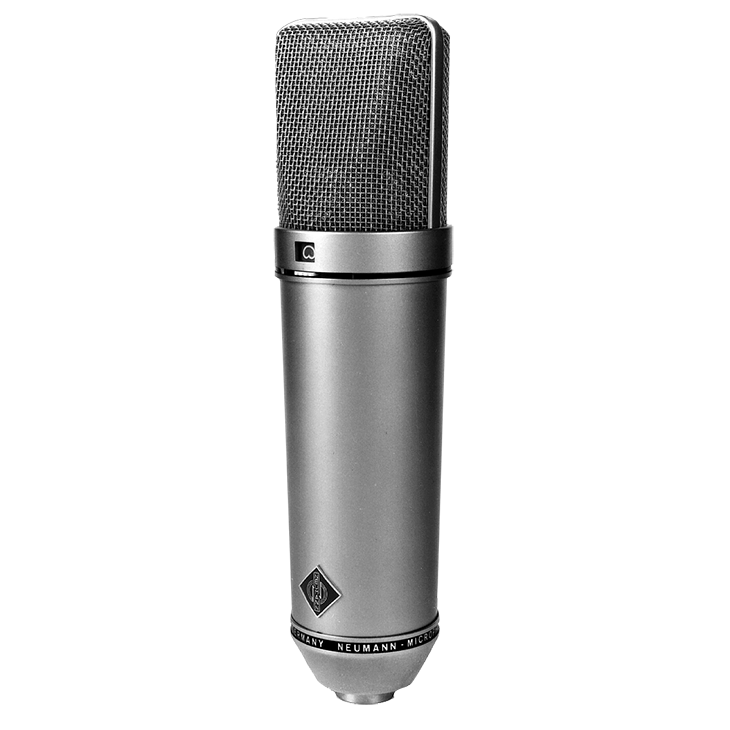
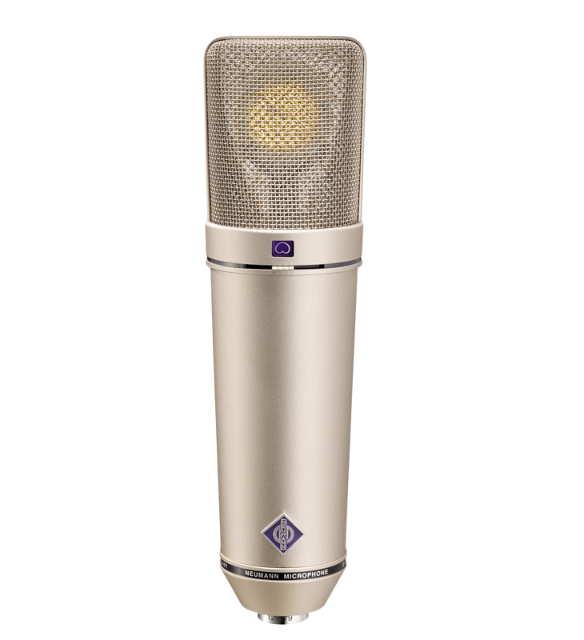
So what improved? A revamped DC/DC converter delivering a staggering increase in capsule polarization voltage, cranking the output level up by about +10 dB compared to its predecessor. Plus, it boasts a lower noise floor and an enhanced signal-to-noise ratio. The U 87 has been crowned the best-selling and most iconic Neumann microphone to date. Some notable artist who have recorded with the U 87 include Michael Jackson, Whitney Houston, Stevie Wonder, Celine Dion, Eminem, Dr. Dre, Snoop Dogg, Madonna, Beyoncé, Coldplay, Taylor Swift, and many more!
Let’s ensure we’re all on the same page before the curtain is lifted. The Neumann U 47? A colossal triumph that everyone knows. Then came the Neumann U 67, launched as a direct replacement for the U 47 when those VF 15 tube stocks ran out. Next up was the U 87, designed to kick the U 67 to the curb, ditching that hefty power supply and boasting a sleek transistor output stage. Finally, Neumann took a leap from the U 87 i to the U 87 Ai. It’s not just a step up, but a thrilling upgrade packed with technical innovations to help get more out of an already genius design!
Now, if you’re bold enough to share my viewpoint and have followed the timeline I’ve meticulously outlined, it’s becoming clear that the U 87 Ai is the evolution of the U 47! Surely, you can grasp where I’m going with this…
The TLM 103
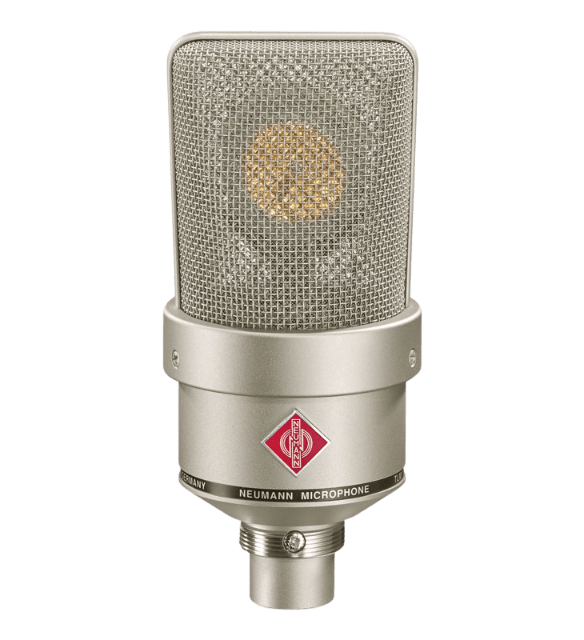
The year is 1997, and a pivotal demand arises for an affordable alternative to the Neumann U 87 Ai. Neumann decisively addresses this need with the remarkable introduction of the TLM 103. This assertion is backed by Neumann’s own verified statement on their website. So, how did they achieve this? They brilliantly engineered the TLM 103 to leverage half of the same capsule, utilizing only the front membrane, which is the reason for its unique cardioid polar pattern. It is also significant that the TLM series is transformer-less, designed not only for sonic enhancement (lower noise floor) but also accounts for some of the cost reduction. The TLM 103 has since dominated the sales charts, rightfully earning its status as an industry standard and being recognized as one of the quietest microphones ever produced. Notable artists who have recorded with the Neumann TLM 103 include J. Cole, Chance the Rapper, Juice WRLD, Logic, Travis Scott, Ariana Grande, Billie Eilish, and Post Malone.
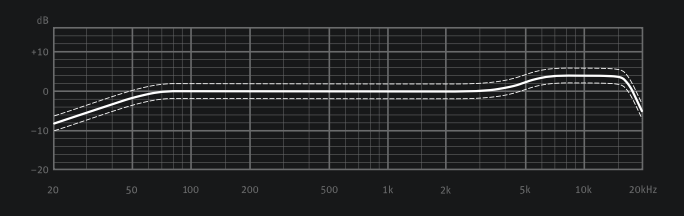
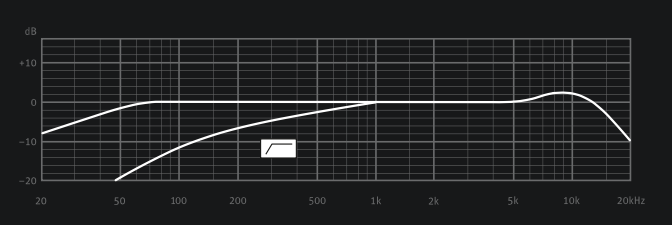
So the next time you ponder whether the TLM 103 is a budget U 87 Ai, remember this: the answer is a resounding Yes! When you visit the Neumann website, you’ll find confirmation of this for yourself. While the TLM 103 was designed as a more affordable alternative to the U 87 Ai, it does lack certain physical components that make a minuscule difference in the sound of the U 87 Ai. I’ve provided frequency response charts below that clearly outline these differences. Purists may argue this point passionately, but don’t let that deter you. You can absolutely capture that “U 87 character” you desire on a budget or in your home studio. Lastly, delving into its history reveals that owning a TLM 103 is simply badass; you’re holding a microphone that’s been evolving since 1949!
 Creator Audio, Simplified
Leave a comment